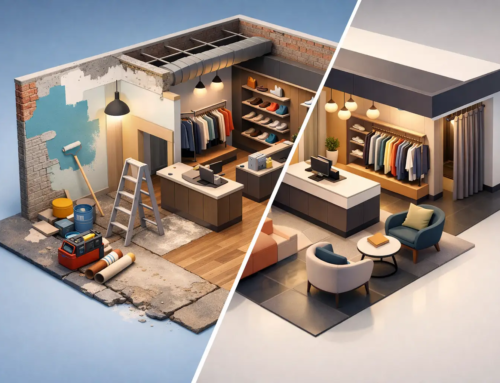
A bathroom can look like a relatively contained project until the old tiles come off and the condition of the plumbing, wiring and walls is exposed. This bathroom refurbishment cost guide sets out what UK homeowners should expect to pay, what changes the price, and where sensible investment protects the finished result.
For a straightforward replacement bathroom, many homeowners budget from around £6,000 to £10,000. A mid-range refurbishment with better fittings, more tiling and layout changes often falls between £10,000 and £18,000. Premium bathrooms, wet rooms, difficult access or extensive building work can move beyond £20,000. These are planning ranges, not fixed quotes. The final cost depends on the scope, specification and existing condition of the room.
What a bathroom refurbishment typically includes
A properly managed refurbishment is more than fitting a new bath, basin and toilet. It usually starts with removing the existing suite, tiles and floor finishes, followed by any necessary repairs to walls, floors, plumbing and electrics. The room is then prepared for waterproofing, tiling, decorating, installation and final testing.
Where everything stays in its current position and the existing services are sound, costs are easier to control. Moving a toilet, building a walk-in shower, replacing a poor subfloor or correcting uncompliant electrical work adds labour, materials and programme time. None of those items are unnecessary extras. They are often what allows the finished bathroom to perform properly for years rather than just look good on handover.
A comprehensive scope should make clear whether it includes strip-out and waste removal, first-fix plumbing and electrics, plastering or boarding, tanking, tiling, second-fix installation, decorating, ventilation, lighting and cleaning. Comparing quotes without this detail is one of the quickest ways to get a misleadingly low starting price.
Bathroom refurbishment cost guide: the main price drivers
Layout and plumbing changes
Keeping the bath, WC and basin where they are is usually the most cost-effective route. Existing hot and cold feeds, wastes and soil pipes can often be reused or adapted with limited disruption. Once sanitaryware moves, the work may involve lifting floors, opening walls, relocating wastes and making good affected finishes.
A wall-hung toilet or concealed cistern can create a clean, modern look, but it requires a suitable frame and boxing or a stud wall. A shower positioned away from the existing waste may need additional floor build-up to achieve the correct fall. These decisions are worth discussing early, when there is still room to balance design ambition against budget.
Tiles, waterproofing and wall finishes
Tiling is a significant variable because the cost is driven by both the tile and the time required to install it. Large-format porcelain can look excellent but may need more precise preparation and cutting. Natural stone requires appropriate sealing and ongoing care. Herringbone, mosaics, niches, mitred edges and feature walls all add installation time.
For shower areas, reliable waterproofing matters more than saving a small amount on preparation. Tanking systems protect the background from moisture before tiles are fixed. A well-built shower enclosure with sound waterproofing and ventilation is a better investment than expensive tiles applied over inadequate preparation.
Full-height tiling normally costs more than a tiled splash zone with painted walls, but it can be practical in a heavily used family bathroom. The right choice depends on the room, the finish you want and the level of maintenance you are prepared to take on.
Sanitaryware, brassware and furniture
The difference between entry-level and premium fittings can be substantial. A standard close-coupled toilet, acrylic bath and basic vanity unit will keep the supply cost down. Wall-hung furniture, freestanding baths, concealed shower valves, designer radiators and bespoke joinery raise the budget quickly.
Price should not be the only measure. Cheaper taps and shower valves can be harder to repair if replacement cartridges are unavailable, while poor-quality furniture can swell in a humid room. Choose products with readily available parts, realistic lead times and dimensions that work with the space. A large vanity unit may be useful for storage, but not if it makes access around the WC awkward.
Electrical work, lighting and ventilation
Bathrooms have strict electrical requirements because of the wet environment. The work must be designed around the relevant zones, with suitable fittings and safe positioning. This may include new circuits, extractor fans, LED lighting, shaver sockets, underfloor heating controls and upgraded consumer unit protection where needed.
Ventilation is frequently overlooked. An underpowered fan or poorly routed duct can leave condensation on surfaces, encourage mould and shorten the life of paint, grout and furniture. In windowless bathrooms, effective extraction with a suitable overrun or humidistat control is particularly important. Allow for this from the start rather than treating it as an optional upgrade.
Building repairs and access
Old bathrooms can conceal water damage, rotten floors, cracked pipework or uneven walls. In flats, access restrictions, parking, lift use, noise limits and requirements from managing agents can affect labour and waste costs. Period homes may bring uneven structures and non-standard pipe runs. London and the South East also tend to carry higher labour and logistics costs than many other parts of the UK.
A contractor cannot always see these issues before opening up the room. A sensible budget therefore includes a contingency, particularly in older properties. Around 10 to 15 per cent is a useful allowance where the condition behind existing finishes is uncertain.
Typical UK budget bands
A budget-conscious refurbishment at roughly £6,000 to £10,000 generally suits a compact bathroom where the layout remains largely unchanged. It may include a standard suite, practical shower enclosure, modest tiling, basic lighting upgrades and decorating. The finish can still be smart and durable if the specification is carefully chosen.
At around £10,000 to £18,000, there is more scope for better brassware, porcelain tiles, built-in storage, a walk-in shower, underfloor heating and more extensive wall or floor preparation. This is a common range for homeowners who want a clear improvement in quality without moving into fully bespoke work.
Projects from £18,000 upwards are more likely to involve structural changes, premium materials, wet-room construction, custom joinery, complex tile details, high-end sanitaryware or significant service alterations. These projects need closer coordination because more trades, products and design decisions are involved.
The figures should normally be understood as including labour and materials, but always check whether VAT is included. It is also worth confirming the cost of skips, parking, delivery charges, waste removal and final cleaning. A quote that does not account for these items is not necessarily cheaper.
How to control cost without cutting the wrong corners
The best savings are made before work begins. Finalise the layout, fittings and tile choices before the strip-out date, and ensure all products are available when required. Last-minute changes can create delays, rework and extra visits from trades.
Retaining the existing layout is often the biggest cost control available. Choosing a standard shower tray rather than a fully formed wet room, limiting intricate tile patterns and using quality mid-range fittings can also protect the budget without compromising the look. Spend where failure would be expensive: waterproofing, plumbing connections, ventilation, electrical safety and substrate preparation.
Avoid supplying every item independently unless you are prepared to manage compatibility, deliveries and warranties. A basin may look suitable online but clash with a chosen tap, waste or vanity unit. One accountable contractor can coordinate those details, programme the trades and deal with issues as they arise rather than leaving the client to bridge gaps between suppliers and installers.
What to ask for in a quote
A useful quote is specific enough to show exactly what is being delivered. It should identify the work included, the materials or allowances allowed for, the assumed condition of the room, the programme and any exclusions. If a provisional sum is included for unknown work, ask what could cause it to change and how variations will be approved.
You should also establish who is responsible for ordering fittings, checking dimensions, protecting surrounding areas, removing waste and providing electrical certification where applicable. For occupied homes, agree working hours, access arrangements and how the property will be left safe and usable during the works. A bathroom project is disruptive by nature, but good planning keeps that disruption contained.
For commercial landlords, facilities teams and operators, the same principles apply with added emphasis on access, trading hours, durability and compliance. A refurbishment that reduces downtime and stands up to heavy use may justify a higher initial specification.
A good bathroom does not depend on the most expensive suite in the showroom. It depends on a clear scope, sound preparation and trades that work to one coordinated plan. Set a realistic budget, keep a contingency for what cannot yet be seen, and choose a team that is prepared to be straight with you before work starts.